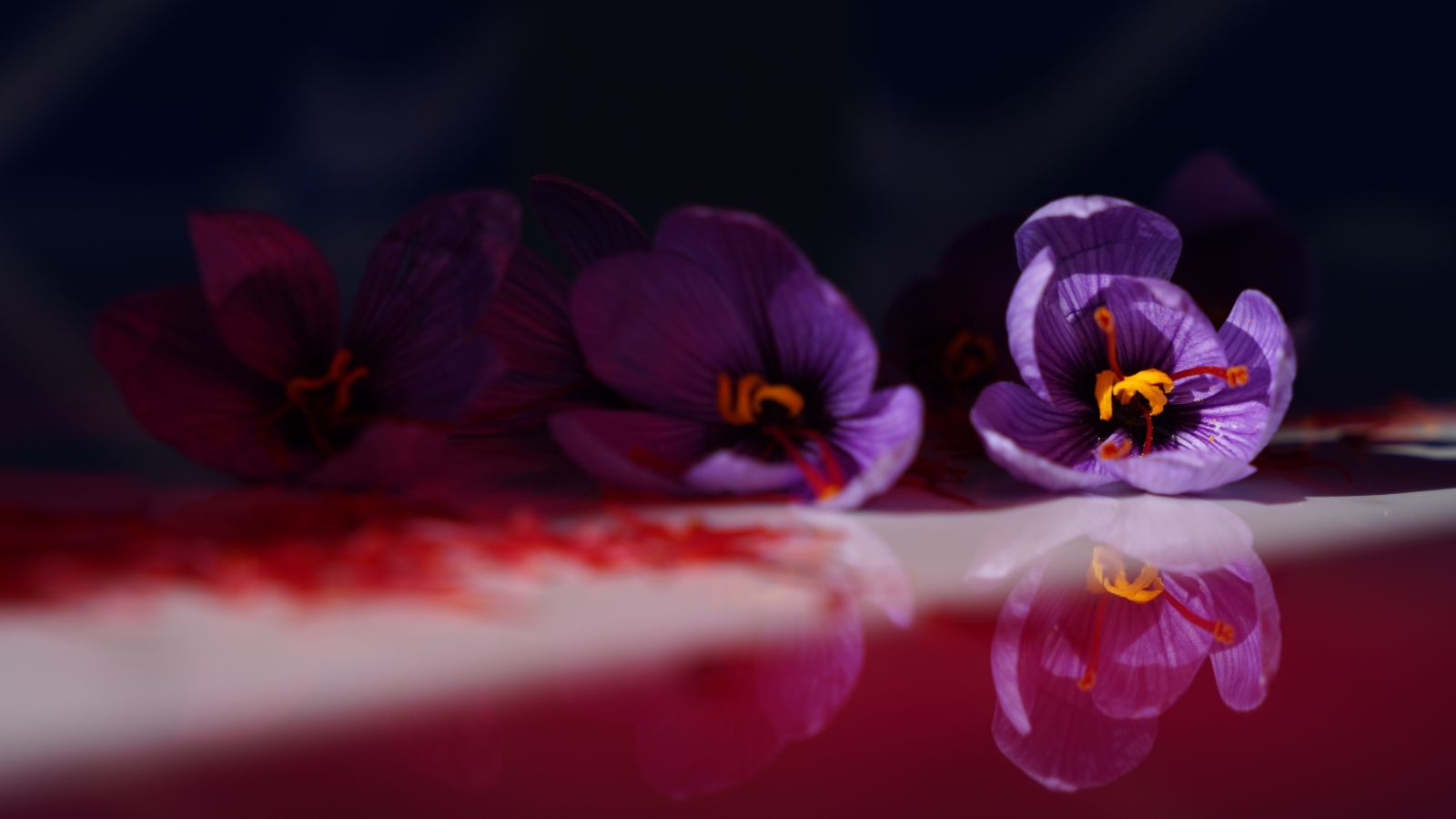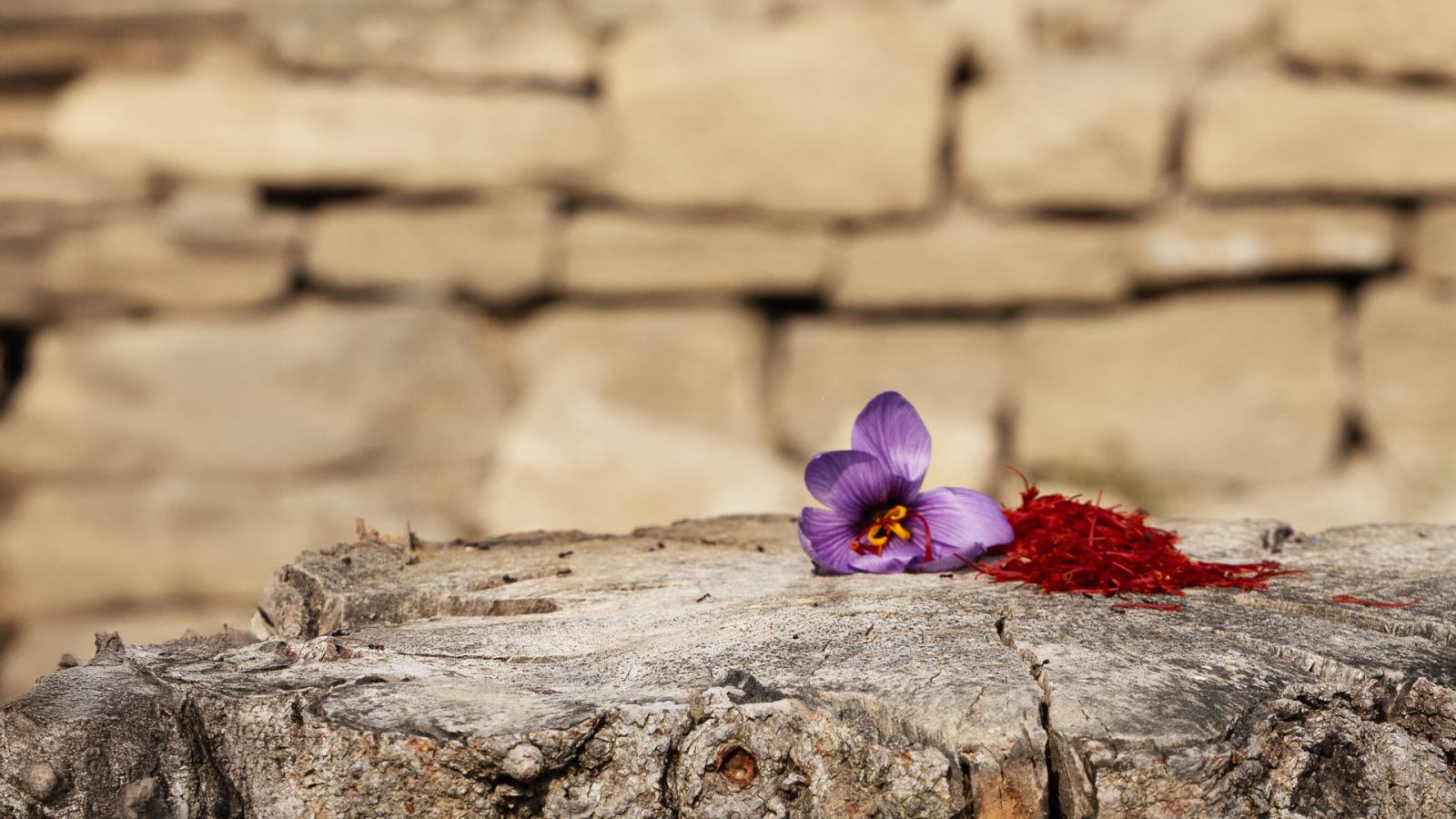
Pure saffron in its most natural form
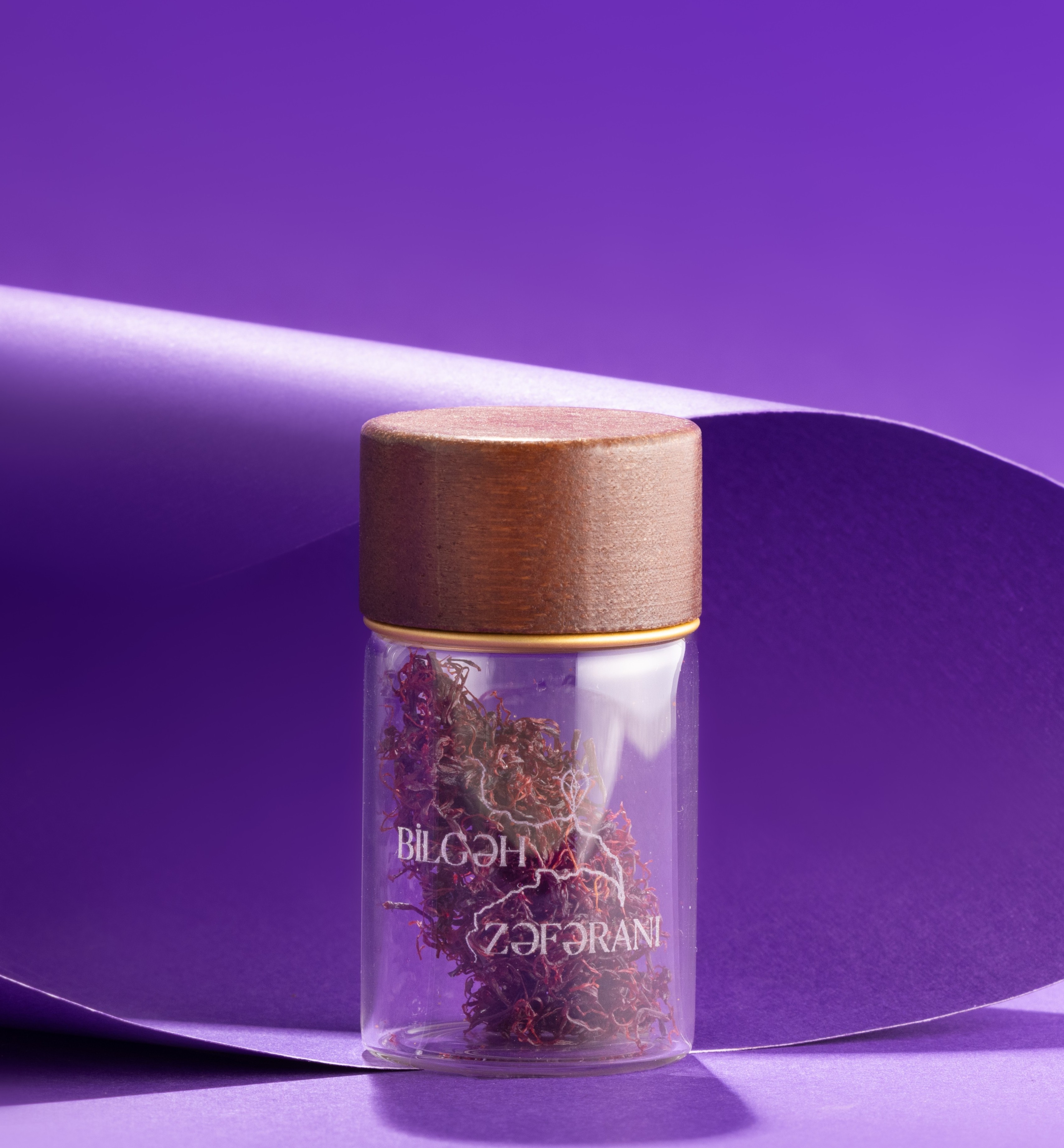
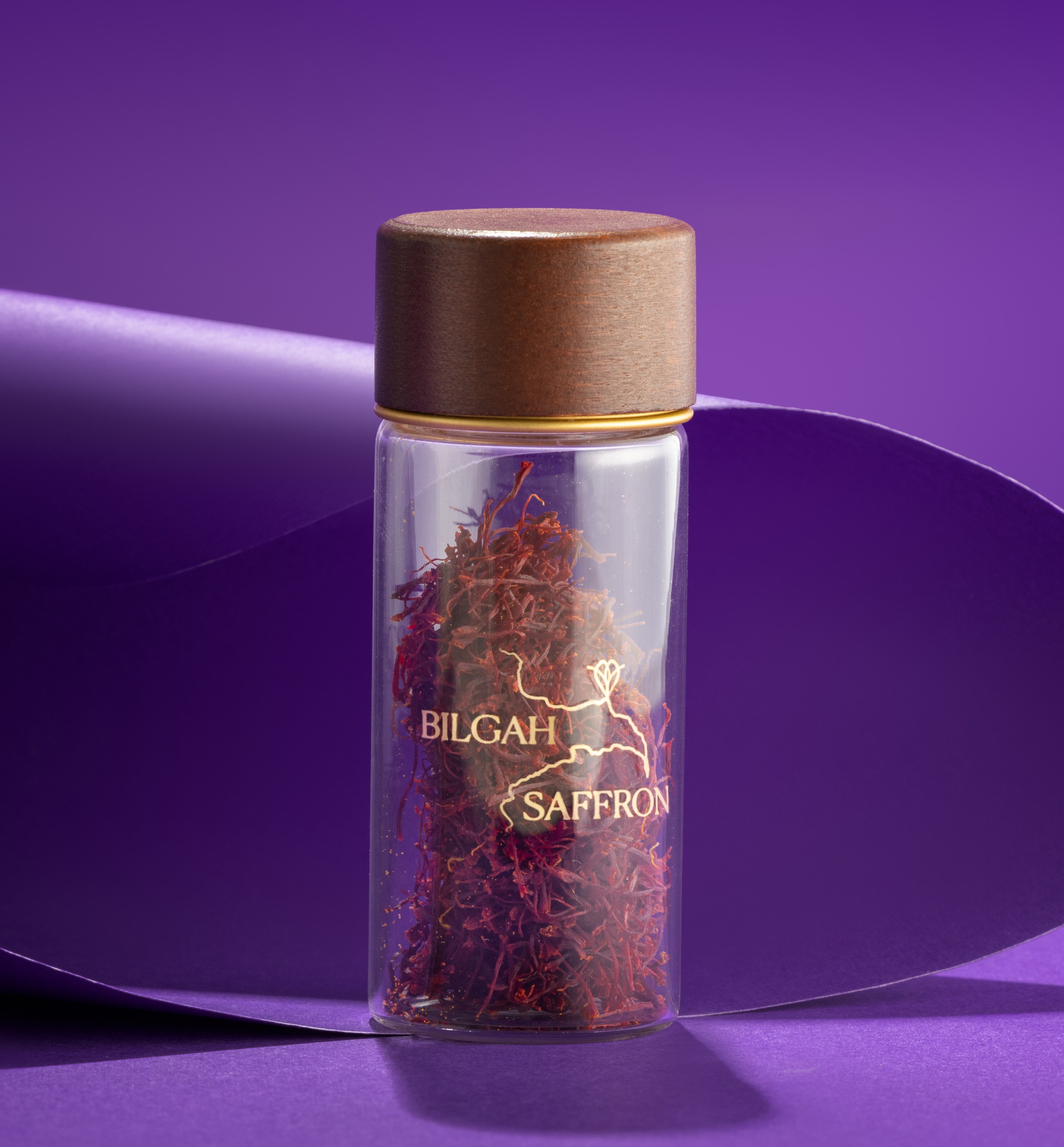
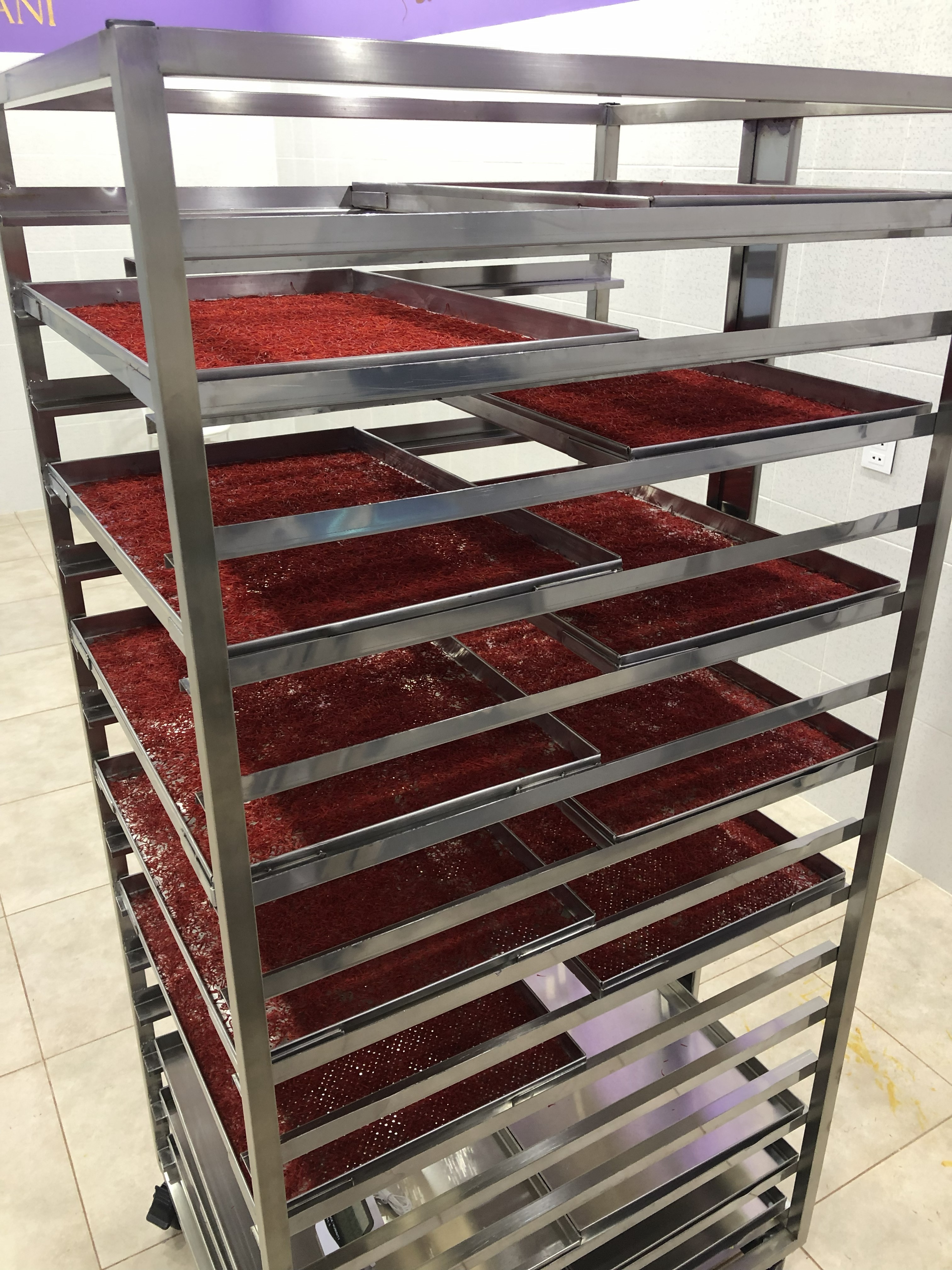
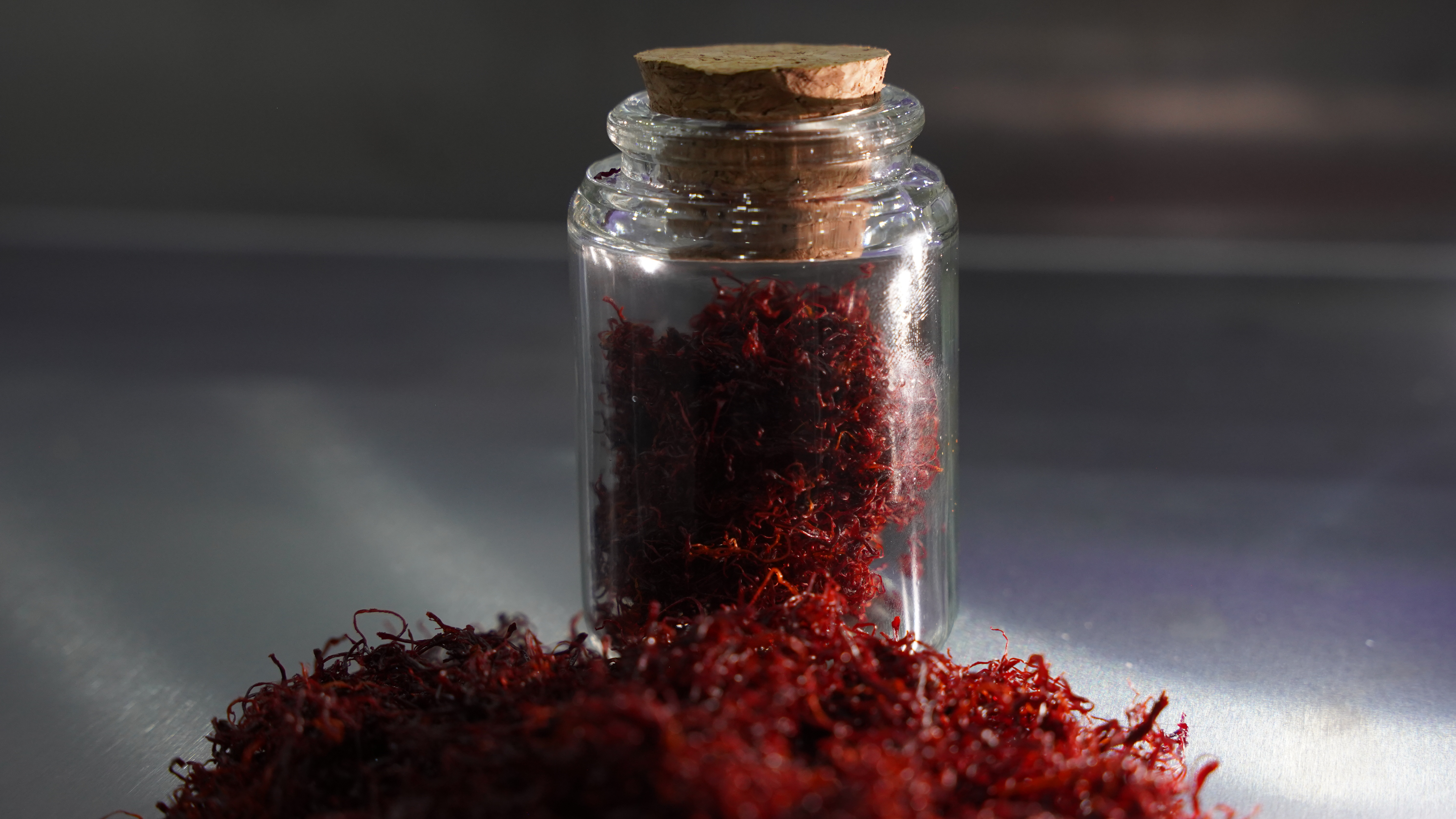
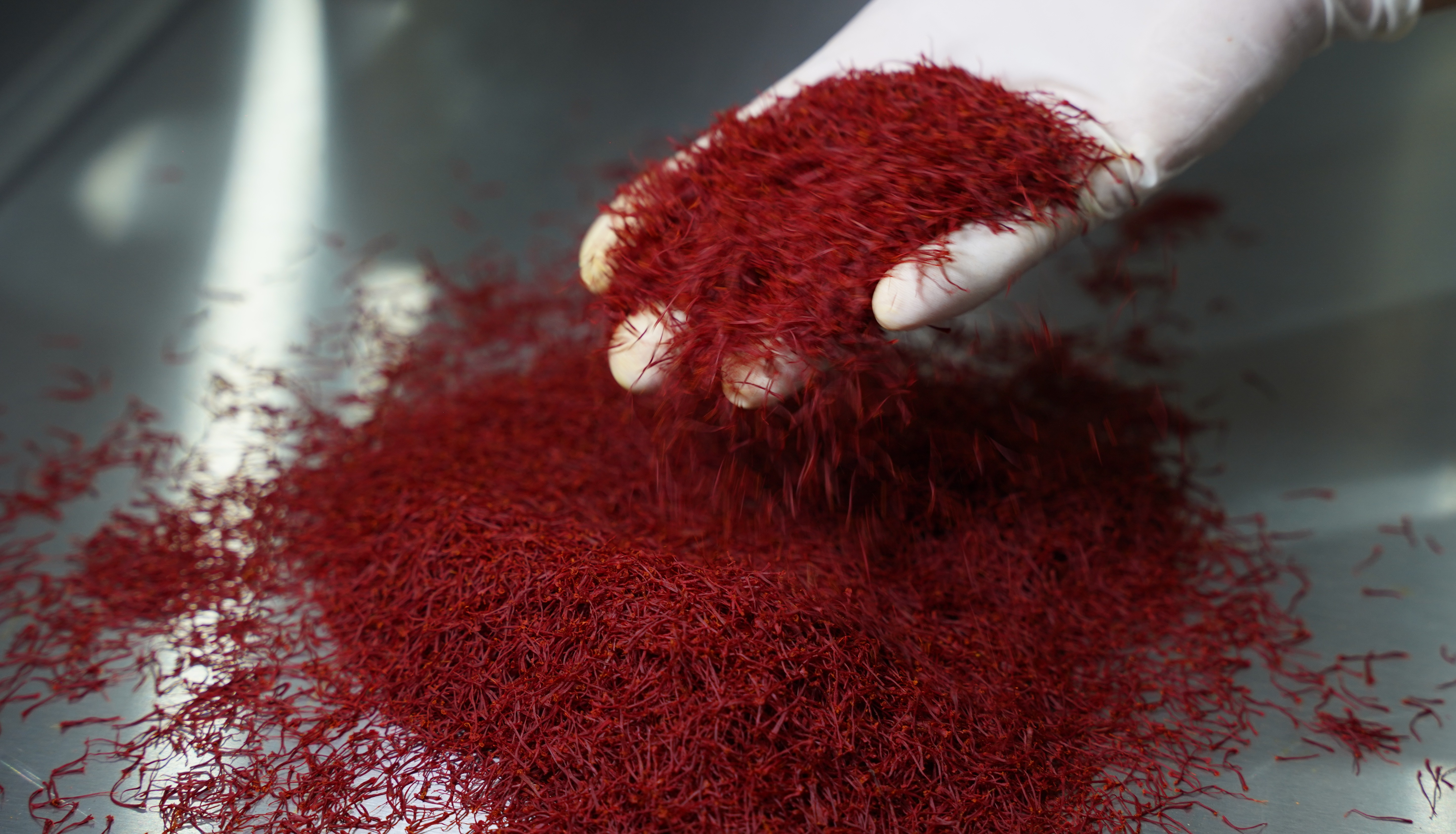
Bilgah’s premium naturally dried saffron, carefully preserved to protect its pure aroma and vibrant color.
Clean, powerful, and unmistakably authentic.
Our legendary traditional craft
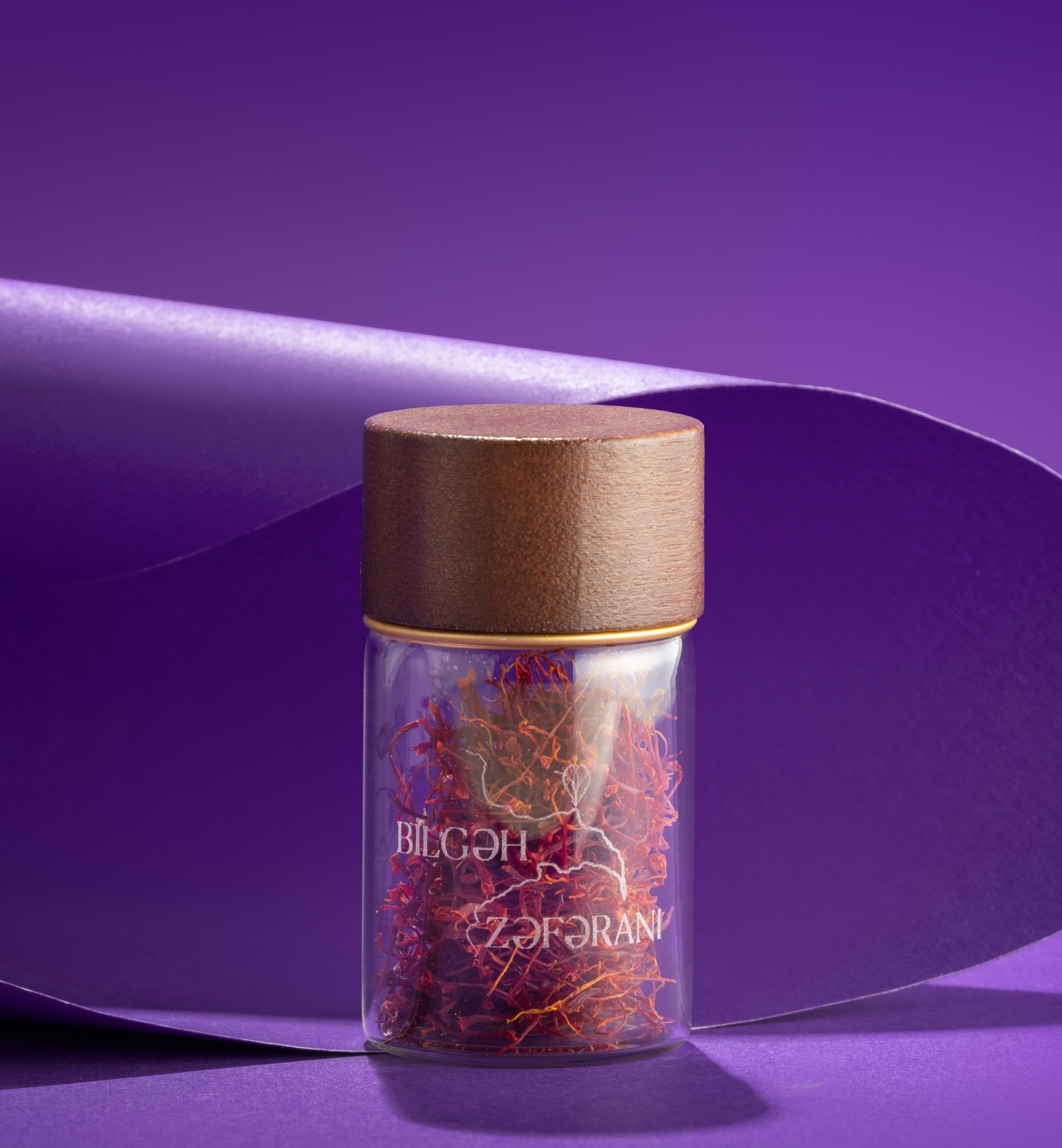
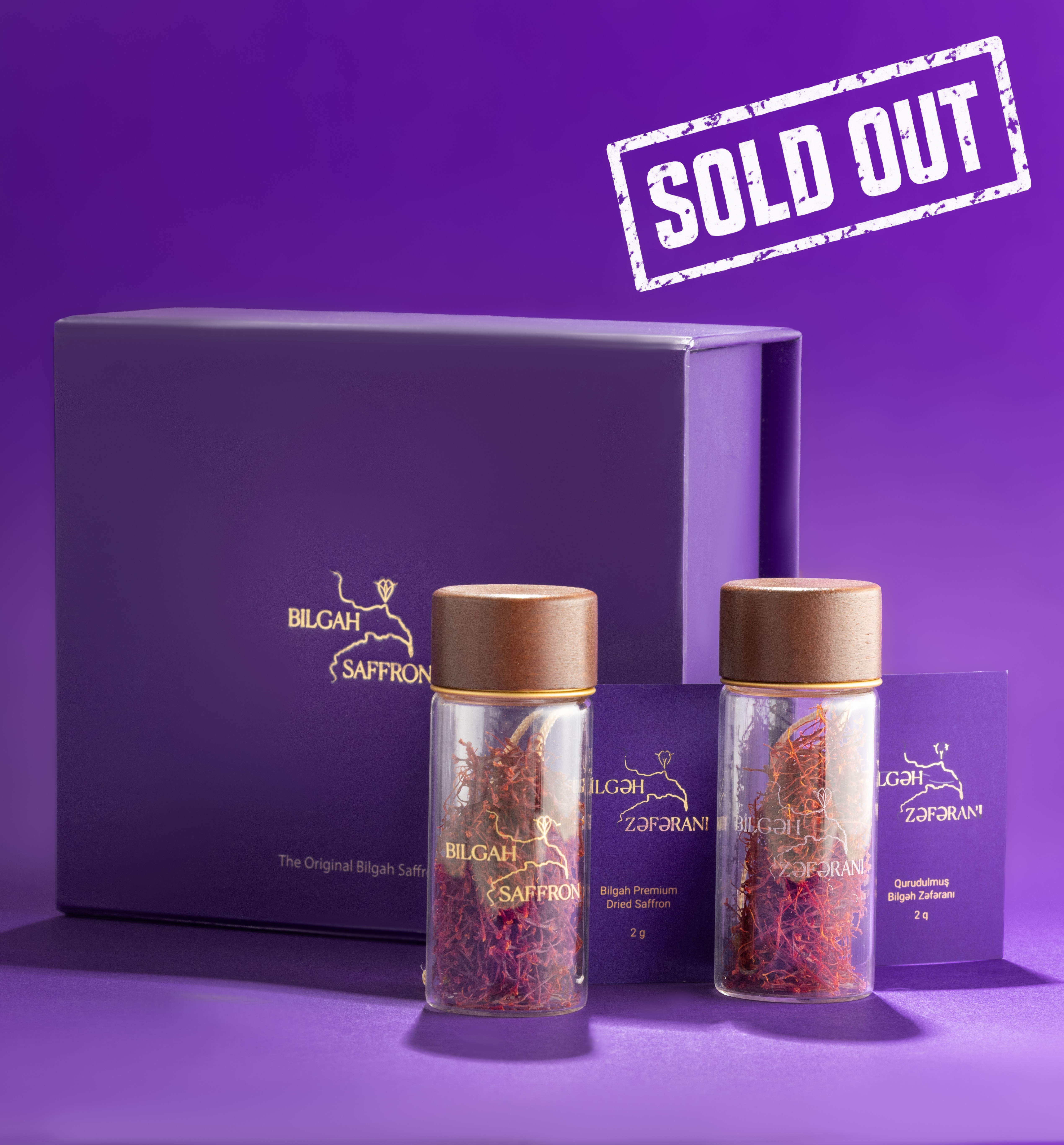
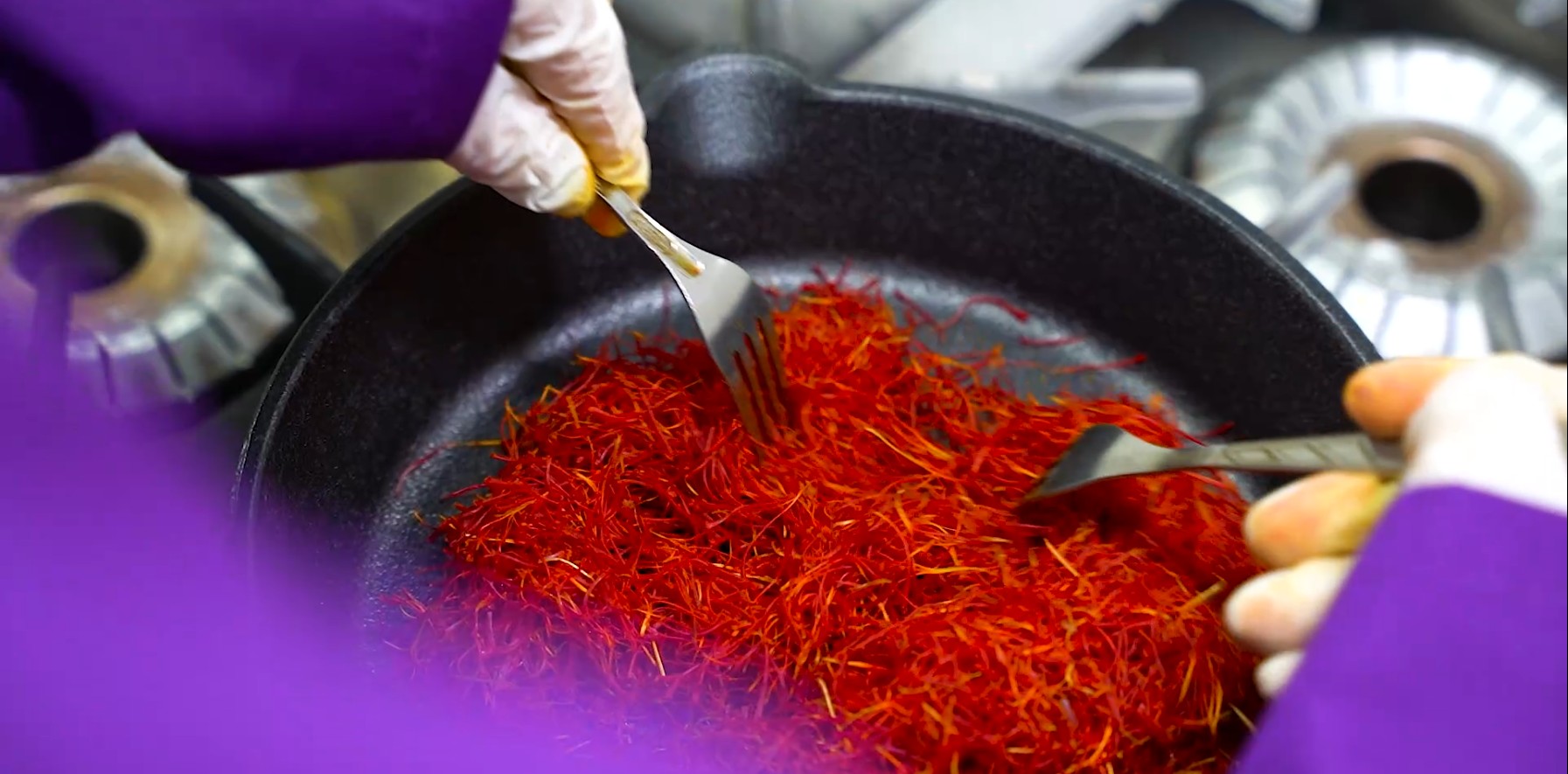
Bilgah’s legendary pan-roasted saffron, crafted using a centuries-old method that intensifies aroma and color.
Bold, rich, and distinctly Bilgah.


50 ₼

60 ₼
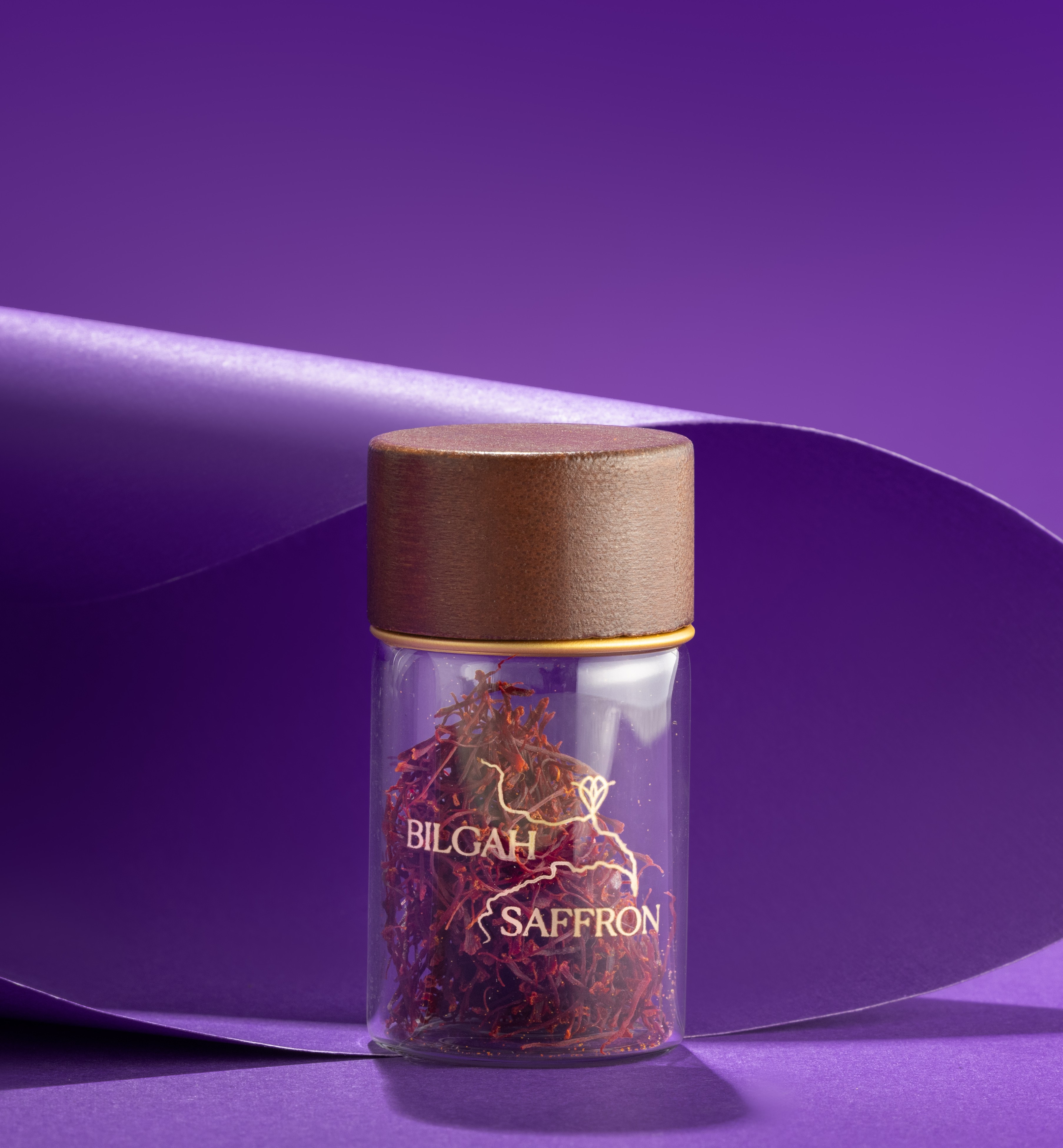

70 ₼
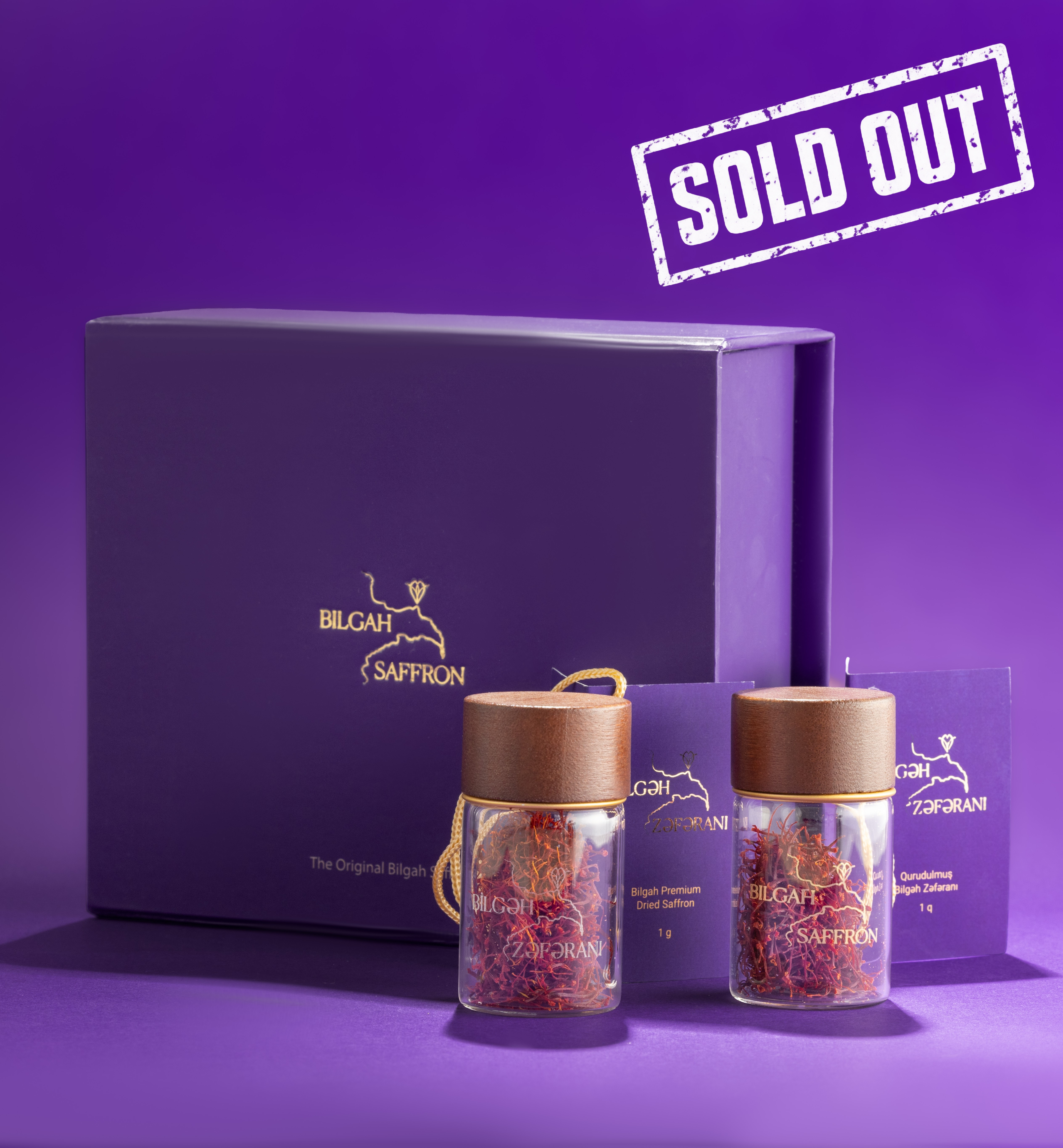

135 ₼
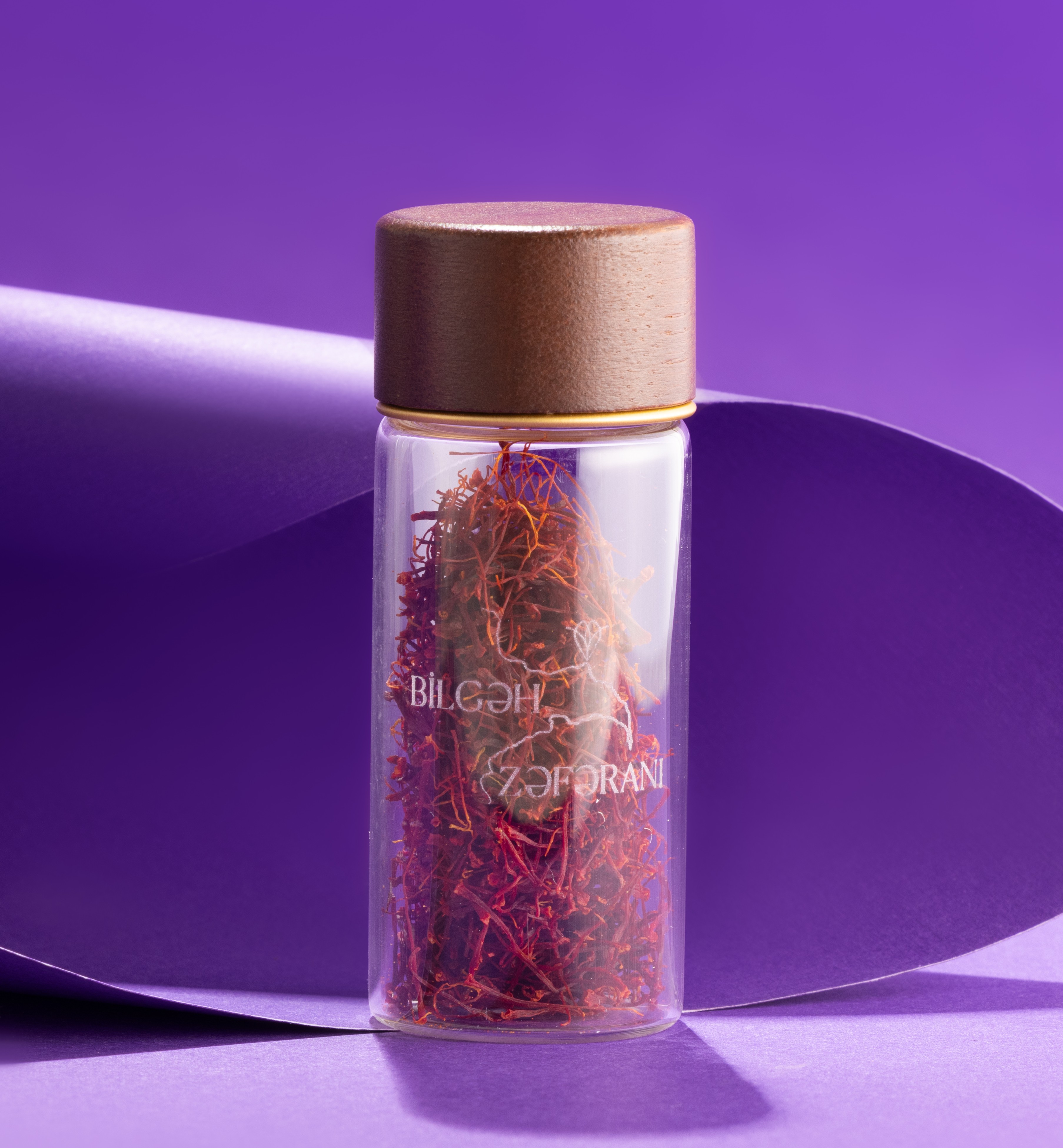
95 ₼
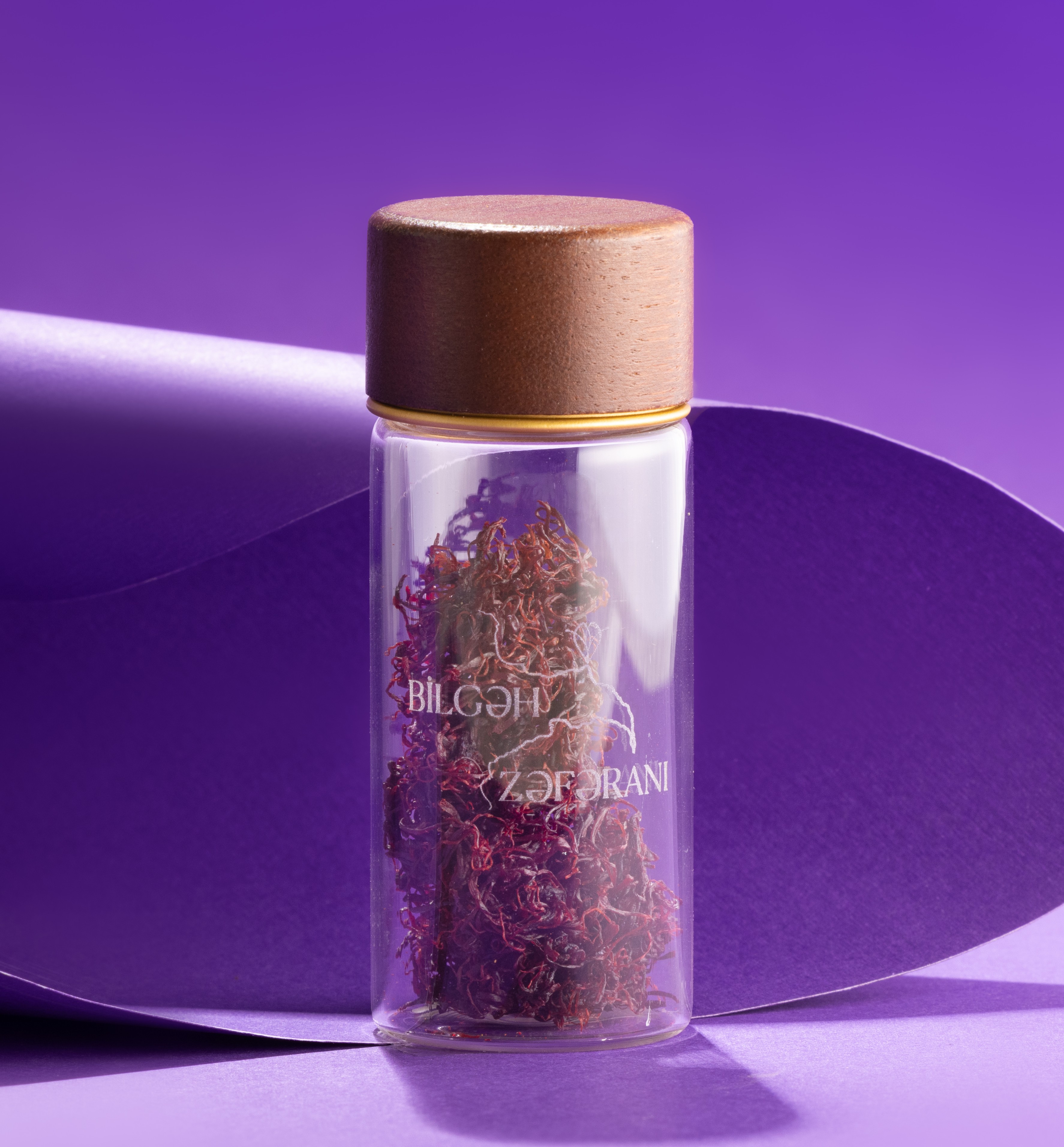
114 ₼
133 ₼
255 ₼
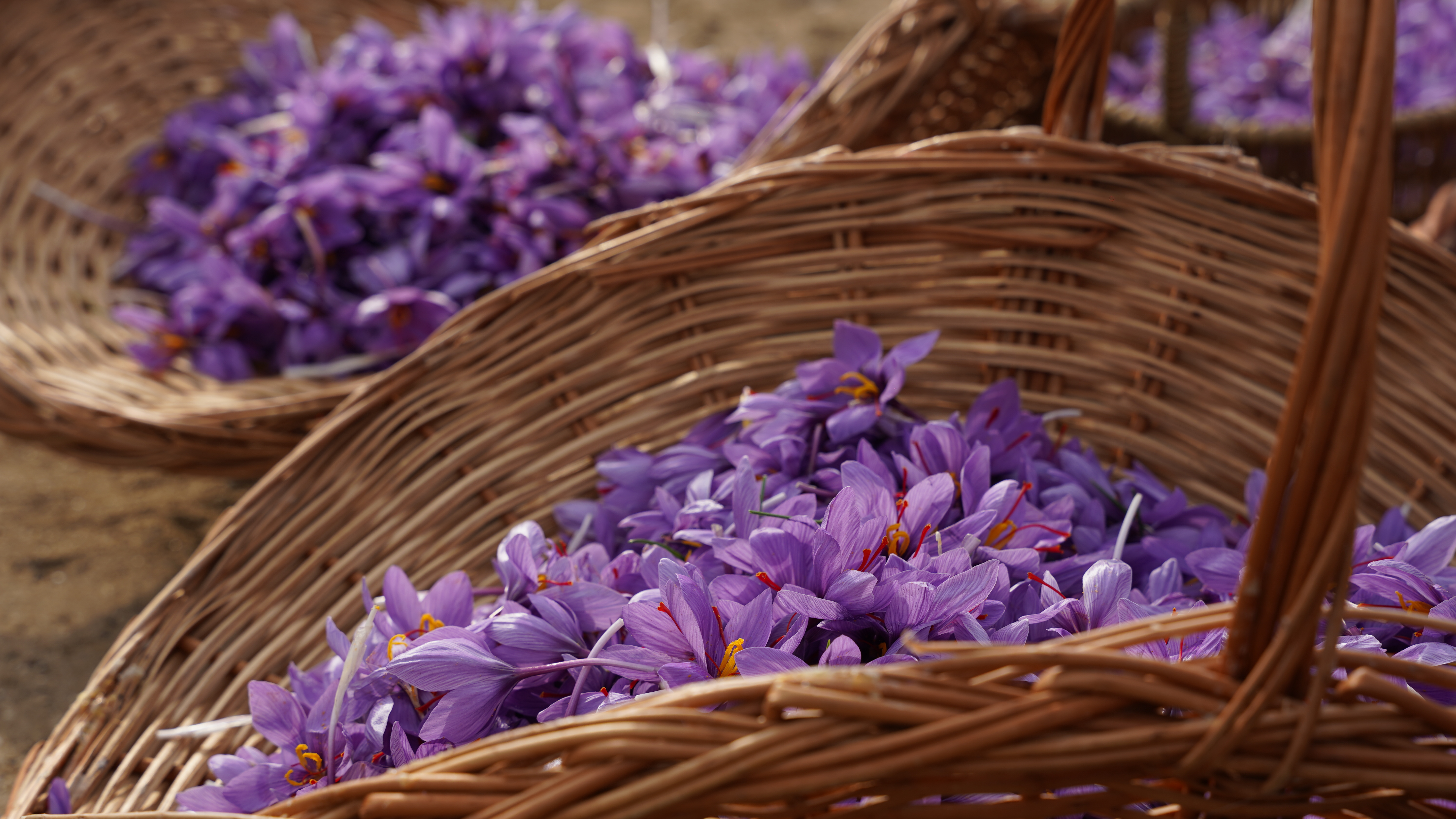
Saff Agro Bilgah LLC is a dedicated saffron producer based in Bilgah, Baku, Azerbaijan — a region renowned for cultivating some of the world’s most distinctive and aromatic saffron. As the registered holder of the Bilgah Saffron Geographical Indication (GI), we carry forward a heritage of saffron cultivation spanning more than 600 years.
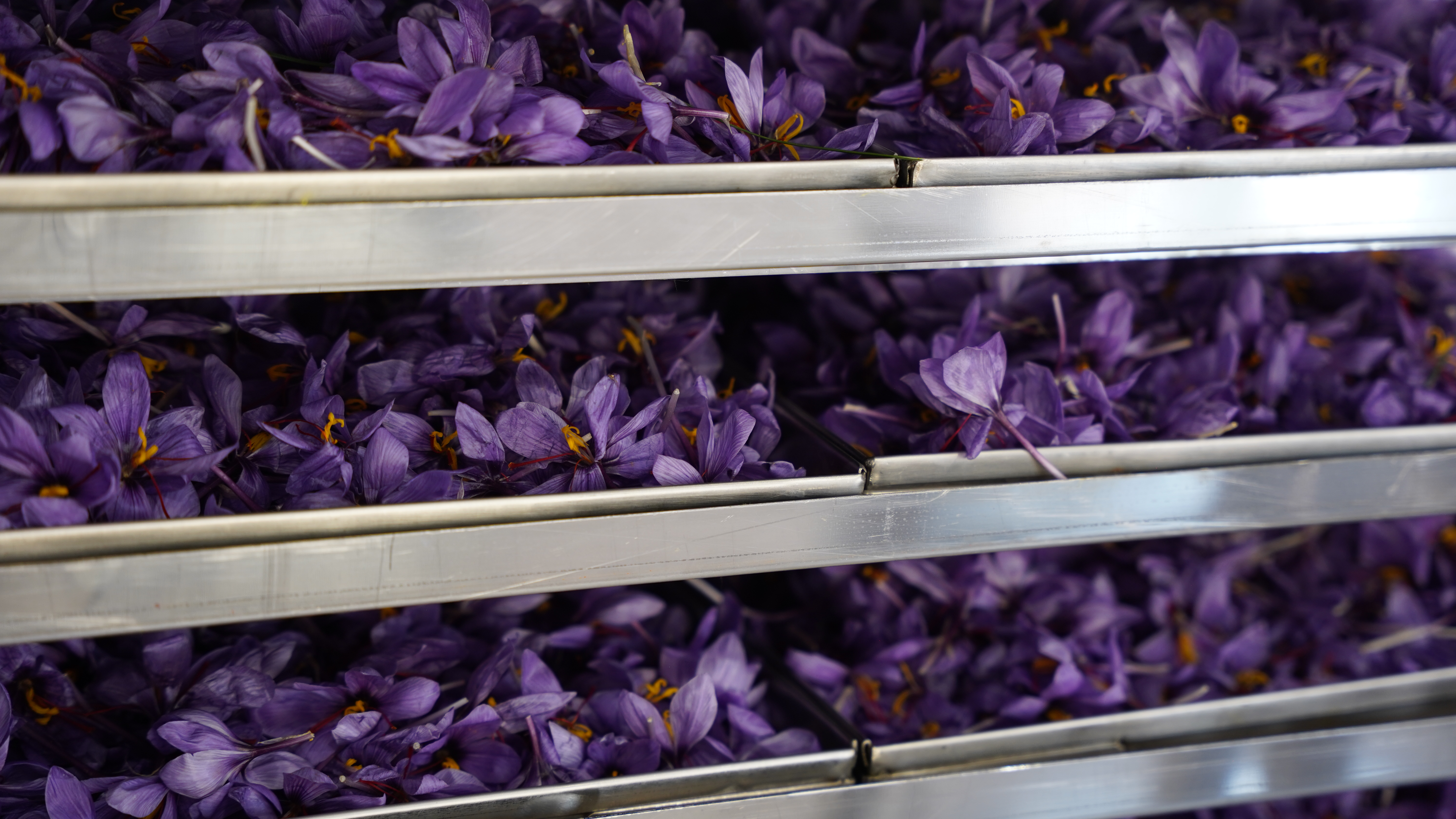
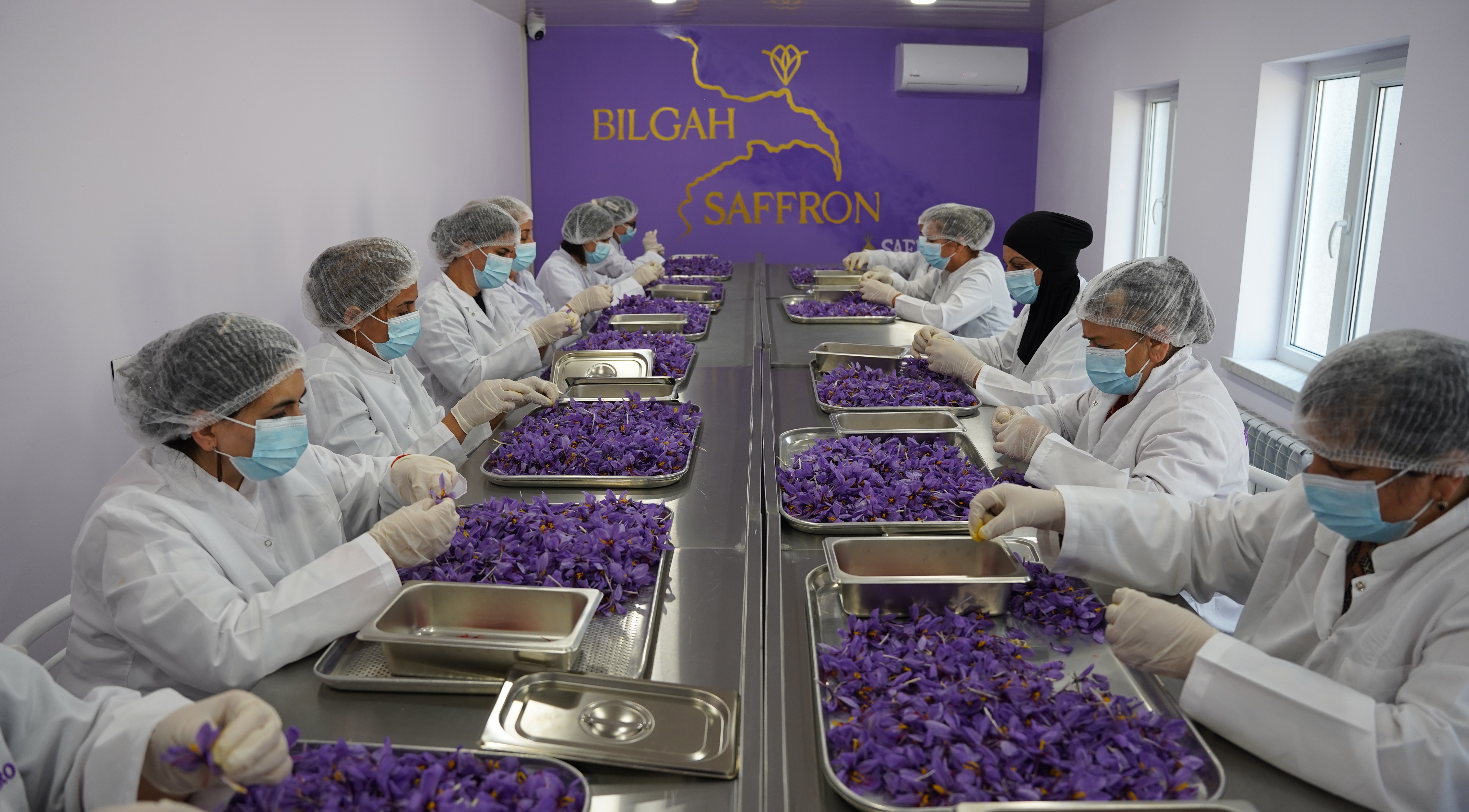
Farming exclusively on our own fields in Bilgah and processing locally in our integrated facilities, we oversee every step — from field to final jar — ensuring complete traceability, purity, and consistency.
Combining centuries-old traditions with a modern approach, we use high-quality, food-grade equipment and maintain strict food safety standards. Each batch is tested in accredited laboratories and supported by certifications, reflecting our responsibility to deliver authentic, premium Bilgah Saffron to the world.


To preserve Bilgah’s centuries-old saffron craft and deliver the most authentic, pure, and premium saffron directly from its true origin.
Honoring Bilgah’s saffron heritage and bringing its excellence worldwide.

Only true Bilgah saffron, never blended or sourced elsewhere.

Centuries-old traditions guide everything we do.

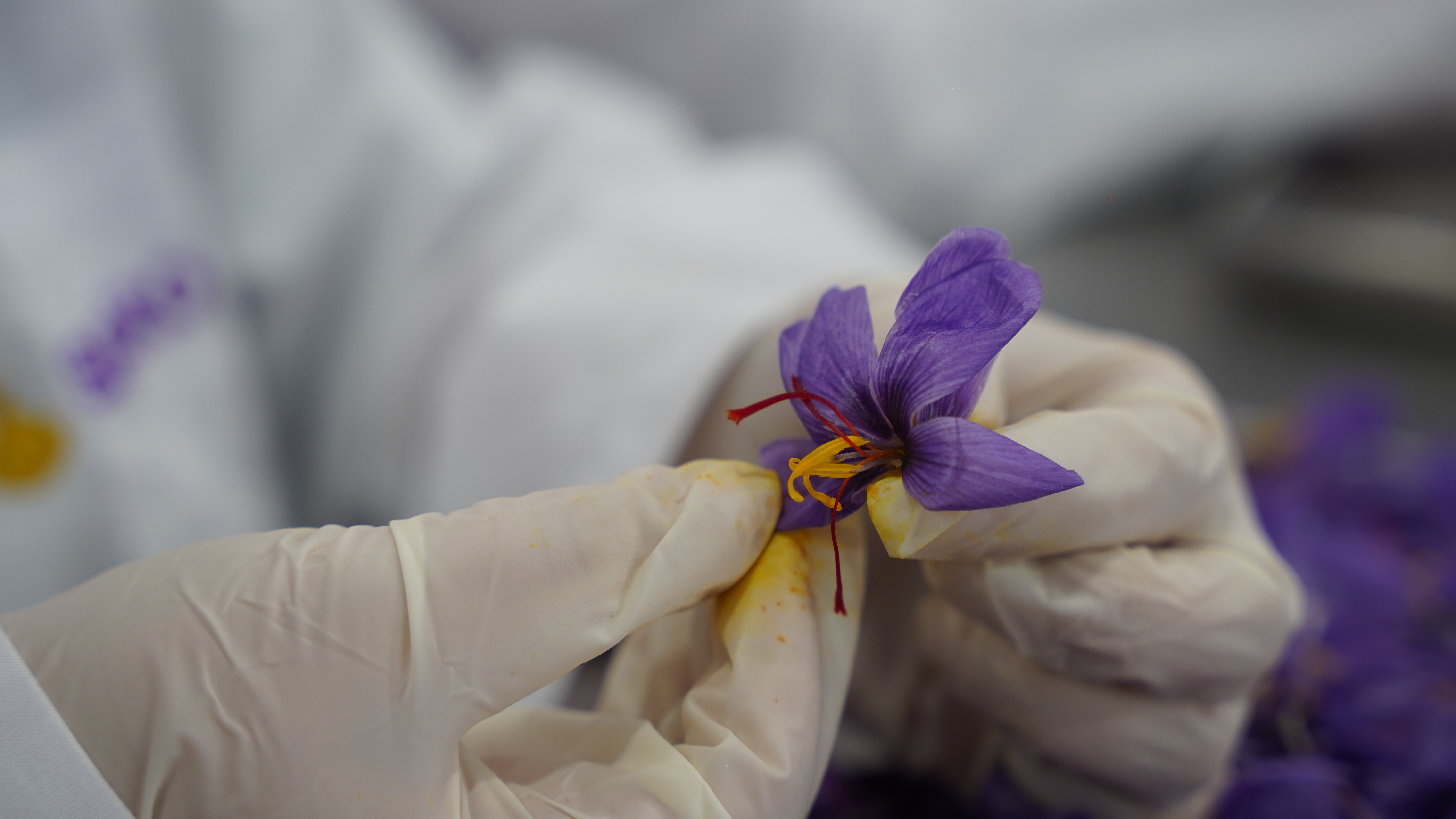
Every thread is harvested and prepared with care and precision.

No additives, no coloring — only 100% natural saffron.

We protect the Bilgah name and stand behind every thread we sell.
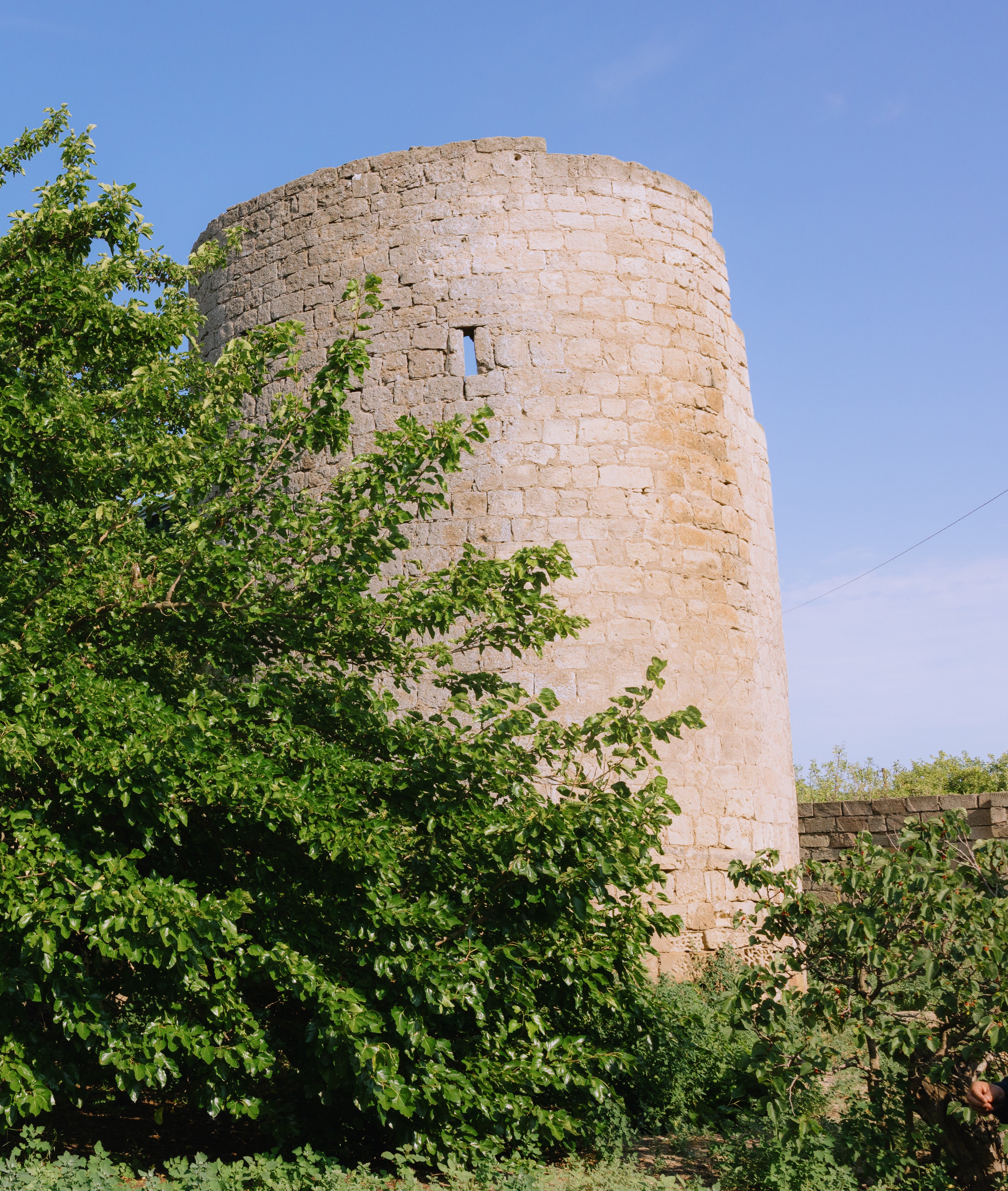
Bilgah is one of the oldest settlements on the Absheron Peninsula and has played an important role in the history of the Baku region for centuries. Archaeological findings, including rock engravings and preserved medieval structures, show that organized urban life existed here since early times. The area has long been known to travelers and merchants, and historical records mention Bilgah as an active coastal settlement.
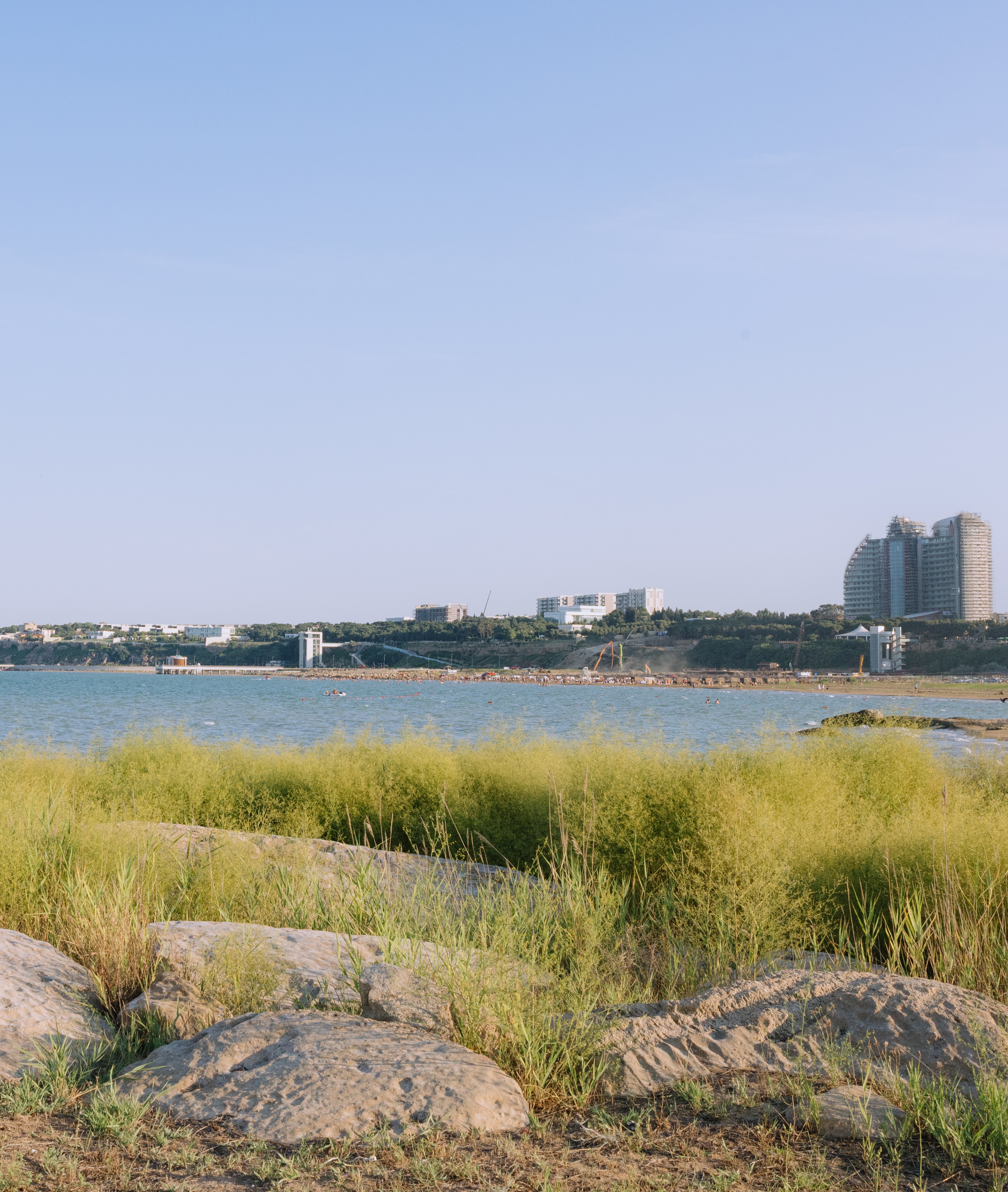
Located to the north-east of Baku along the Caspian Sea, Bilgah once functioned as a port town during the XIII–XIV centuries. Its position on maritime trade routes allowed goods and agricultural products to move through the region. Among these products was saffron, which gradually became part of the local agricultural tradition.
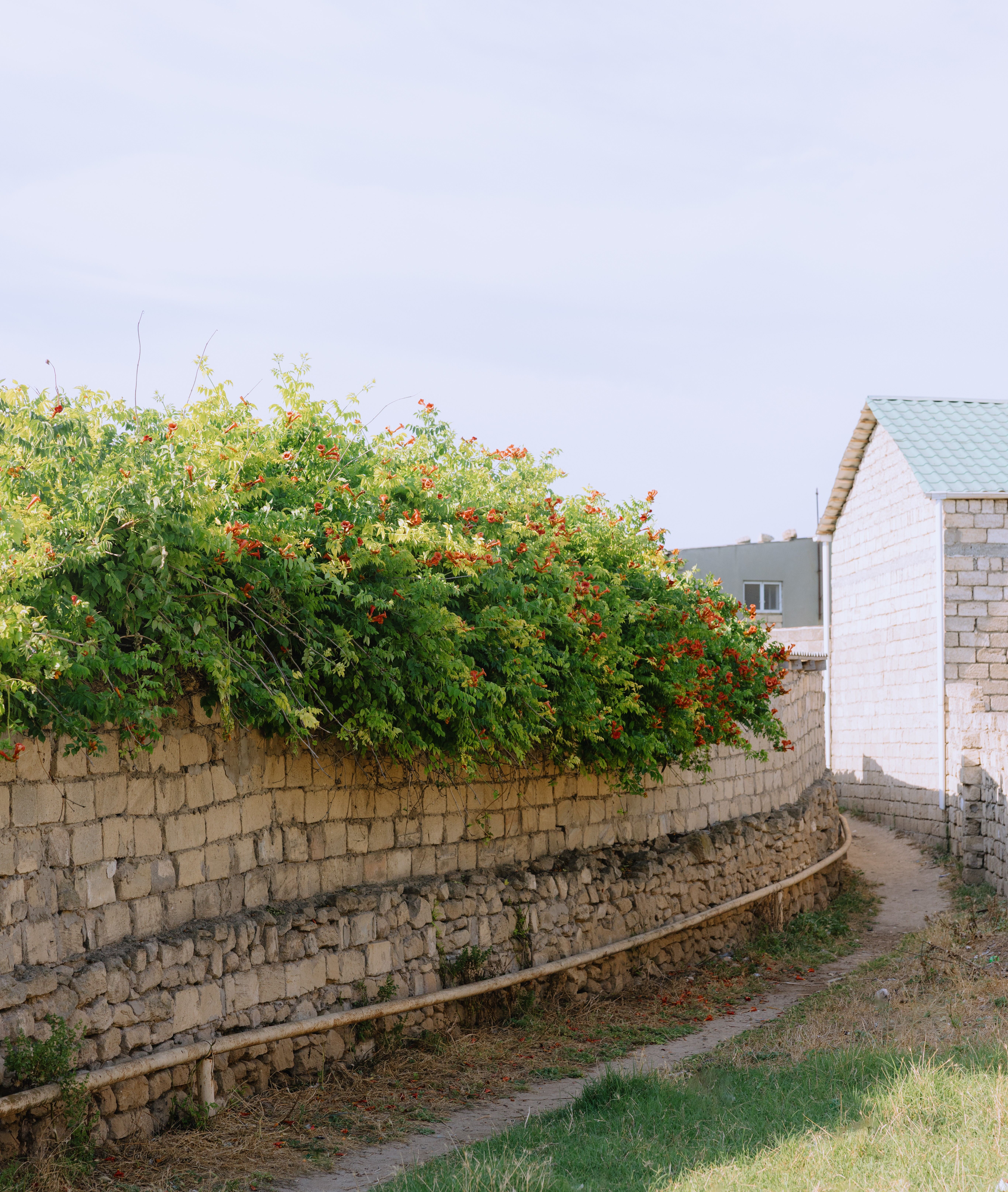
Bilgah’s natural environment makes it especially suitable for saffron cultivation. The combination of sandy, well-drained soil, abundant sunshine, and the moderating effect of the Caspian Sea creates a stable microclimate that supports the healthy growth of Crocus sativus. These conditions are difficult to replicate elsewhere and help produce consistent, high-quality harvests.
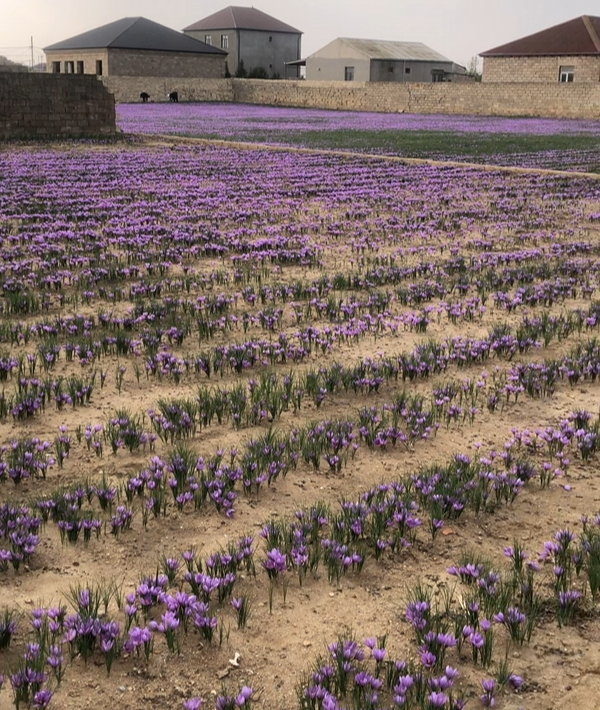
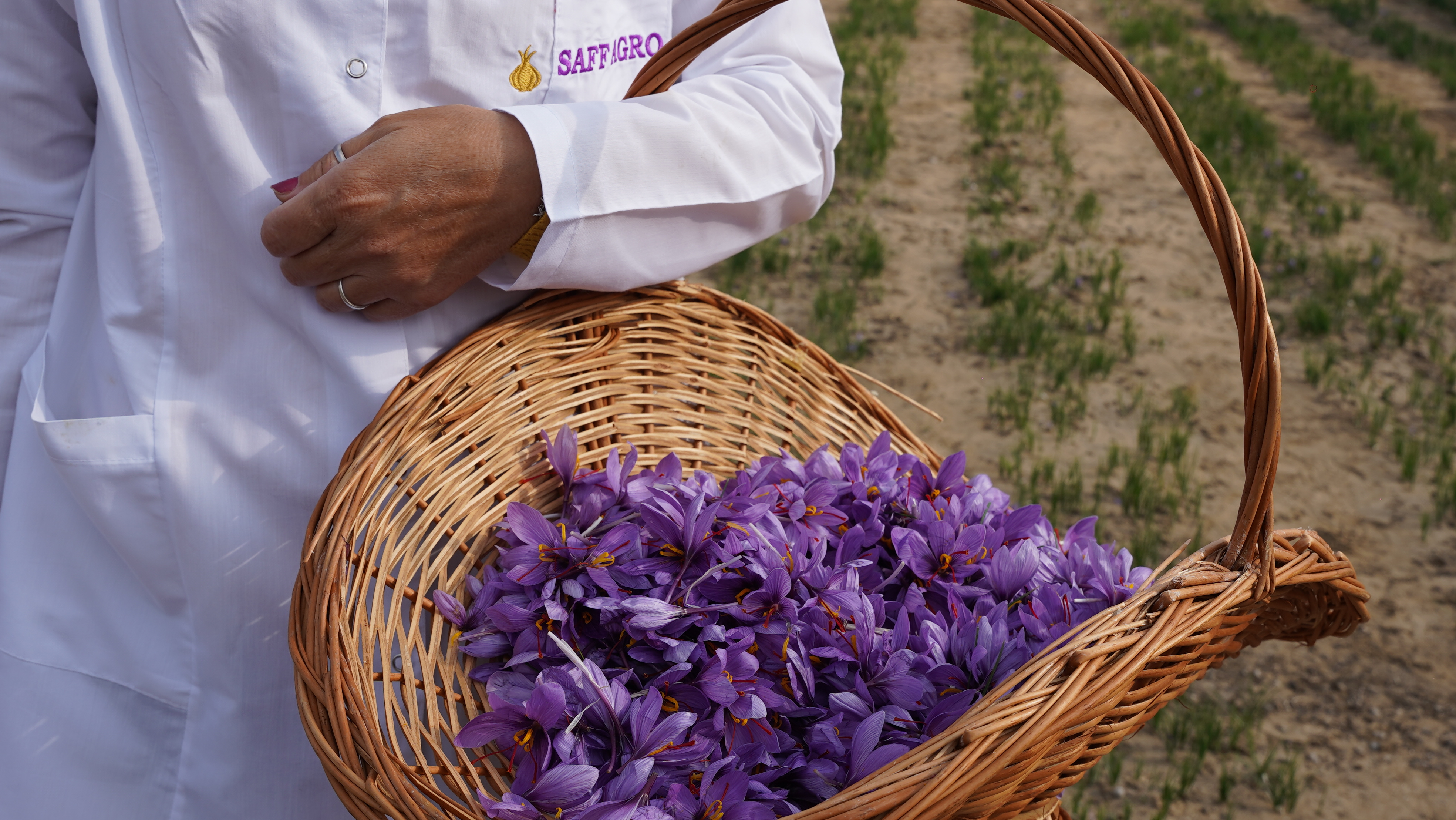
Over generations, local families developed experience and techniques specific to this land. Saffron growing became a tradition passed down from one generation to the next, combining practical knowledge with careful hand harvesting and processing.
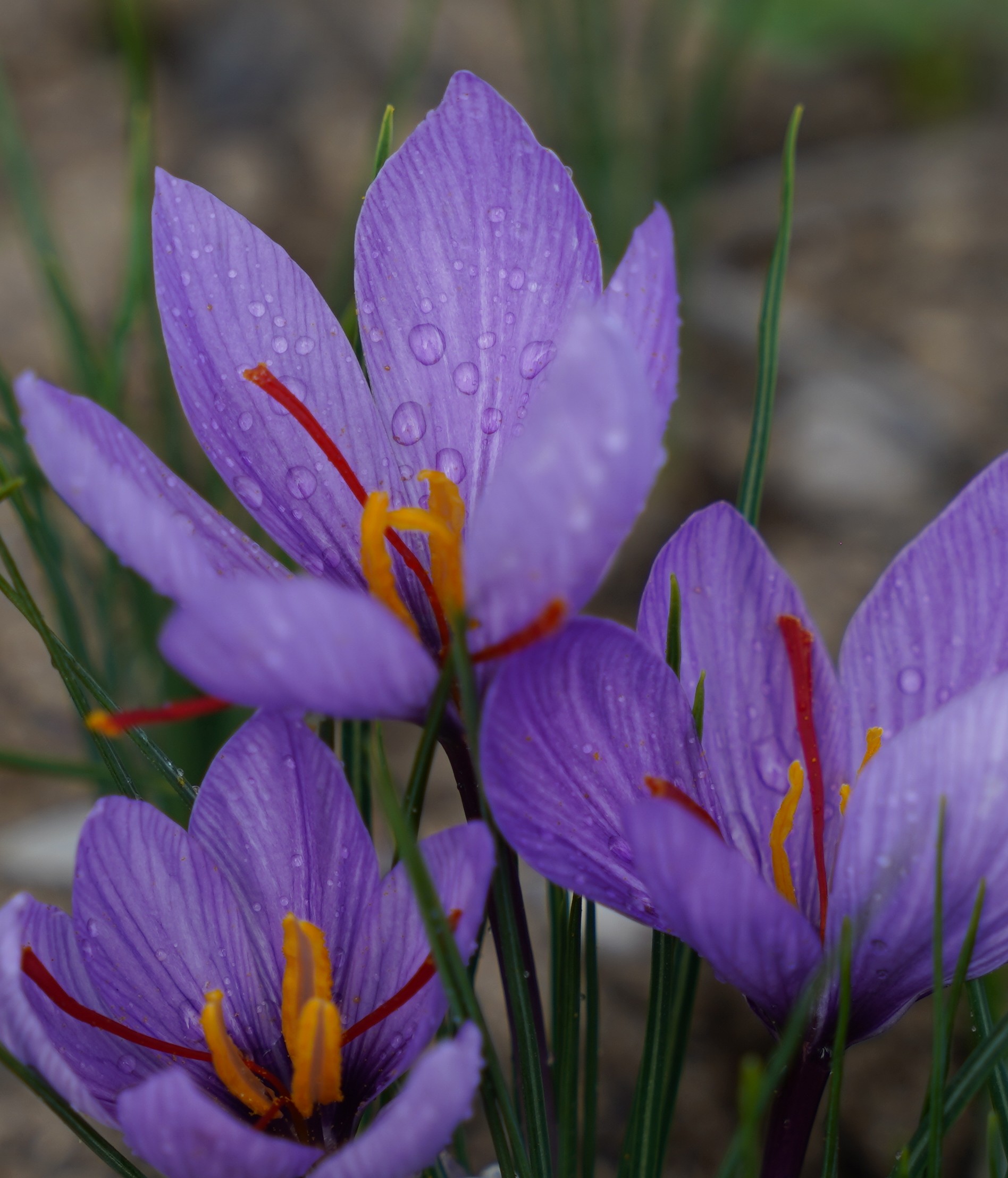
Today, Bilgah saffron is recognized for its strong aroma, rich color, and dense flavor profile. Its quality reflects both the region’s unique natural conditions and centuries of cultivation experience, making Bilgah one of the most distinctive saffron-growing areas in Azerbaijan.

Helps stimulate digestion and supports stomach comfort after meals.

Rich in crocin and safranal that help protect cells from oxidative stress.

Antioxidant compounds help protect retinal cells and support healthy vision.

Supports natural energy levels and reduces fatigue.

Contributes to cardiovascular wellness as part of a balanced diet.

May help control cravings and promote satiety, supporting healthy eating habits.

Traditionally valued for promoting a positive mood and overall wellbeing.

May support memory, concentration, and cognitive performance.

Adds natural color, aroma, and refined flavor to elevate every dish.

May help support comfort and emotional well-being during monthly cycles.

Pregnant women should consult a healthcare professional before use.

TAX ID: 1807024261
 AZ1094, Bilgah settlement, Kommuna str., 54. Baku, Azerbaijan
 994502210229
 office@saffagro.az
info@bilgahsaffron.az
office@saffagro.az
info@bilgahsaffron.az